Obtenez une consultation gratuite
Notre équipe médicale répond sous 24 heures
Aperçu
Les centres de neurochirurgie indiens combinent techniques microchirurgicales et guidées par l'image avec des unités de soins intensifs neurologiques dédiées, donnant aux patients internationaux accès à des soins avancés pour les tumeurs cérébrales et les AVC sans les longues listes d'attente courantes ailleurs.
Comment ça marche
1. Envoyez vos dossiers médicaux
Transmettez vos examens et comptes rendus via le formulaire ou sur WhatsApp.
2. Recevez un avis et une estimation
Nous vous transmettons l’avis des spécialistes et une estimation détaillée, généralement sous 24 heures.
3. Voyagez et faites-vous soigner
Nous vous aidons pour la lettre d’invitation pour le visa, le voyage, l’hébergement et la coordination avec l’hôpital.
Interventions proposées
Brain Tumor Surgery
Brain tumor surgery involves the surgical removal of an abnormal growth of tissue within the skull, which may be benign or malignant, and is performed when a tumor is…
View MoreBrain Cancer Treatment
Brain cancer treatment refers to the coordinated management of malignant tumors arising in the brain, either primary tumors originating in brain tissue or secondary tu…
View MorePituitary Tumor Surgery
Pituitary tumor surgery removes abnormal growths on the pituitary gland, a small hormone-producing structure located at the base of the brain behind the nose, which ca…
View MoreEndoscopic Brain Surgery
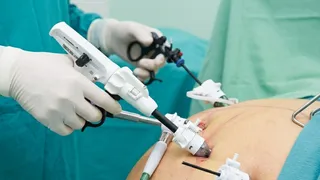
Endoscopic brain surgery is a minimally invasive neurosurgical technique that uses a thin, rigid or flexible endoscope fitted with a camera and light source to access…
View MoreBrain Aneurysm Treatment
A brain aneurysm is a weakened, bulging area in the wall of a blood vessel within the brain that carries a risk of rupture and life-threatening bleeding, and treatment…
View MoreBrain Stroke Management
Brain stroke management covers the urgent diagnosis and treatment of a stroke, which occurs either when a blood clot blocks an artery supplying the brain, known as an…
View MoreEpilepsy Treatment
Epilepsy treatment addresses a neurological condition characterized by recurrent, unprovoked seizures caused by abnormal electrical activity in the brain, and manageme…
View MoreGamma Knife Surgery
Gamma Knife surgery is a form of stereotactic radiosurgery that treats brain tumors, vascular abnormalities, and certain functional brain disorders without any incisio…
View MoreCyberKnife Radiation Treatment
CyberKnife is a robotic radiosurgery system used to deliver precisely targeted, high-dose radiation to tumors and other abnormal tissue in the brain and spine without…
View MoreStereotactic Radiosurgery
Stereotactic radiosurgery is a general term for a group of techniques, including Gamma Knife and CyberKnife systems, that deliver a highly focused dose of radiation to…
View MoreDeep Brain Stimulation
Deep brain stimulation, or DBS, is a surgical treatment in which thin electrodes are implanted into specific, deep regions of the brain that regulate movement, such as…
View MoreCortical Stimulation Surgery
Cortical stimulation surgery involves placing electrodes directly on or just beneath the surface of the brain's outer layer, the cerebral cortex, to deliver controlled…
View MoreParkinson's Disease Treatment
Parkinson's disease treatment focuses on managing the motor and non-motor symptoms of this progressive neurological condition, which results from the gradual loss of d…
View MoreVagus Nerve Stimulation (VNS)
Vagus nerve stimulation, or VNS, is a treatment in which a small device resembling a pacemaker is implanted under the skin of the upper chest and connected by a thin w…
View MorePeripheral Nerve Surgery
Peripheral nerve surgery treats injuries or disorders affecting the nerves that run outside the brain and spinal cord, carrying signals to and from the limbs, face, an…
View MoreNeuritis Treatment
Neuritis refers to inflammation of a nerve or group of nerves, which can cause pain, numbness, tingling, weakness, or loss of function in the area the affected nerve s…
View MoreSchizophrenia Treatment
Schizophrenia is a chronic psychiatric condition that affects a person's thinking, perception, and behavior, and can involve symptoms such as hallucinations, delusions…
View MoreBaclofen Pump Implant
A baclofen pump implant is a surgically placed device that delivers the muscle relaxant baclofen directly into the fluid surrounding the spinal cord, known as the intr…
View MoreMorphine Pump Implant
A morphine pump implant, also known as an intrathecal drug delivery system, is a surgically placed device that delivers small, continuous doses of morphine or another…
View MoreHigh Cervical Stimulation
High cervical stimulation refers to the surgical placement of a spinal cord stimulator device at the upper level of the cervical spine, close to the base of the skull,…
View MoreVous ne savez pas quelle intervention choisir ?
Envoyez vos examens. Les spécialistes vous conseilleront la bonne option et nous vous enverrons une estimation des coûts.
Coût du forfait et séjour hospitalier
Le forfait démarre à partir de 9,000 — prévoyez environ 24 jours en Inde, de l'arrivée à la sortie et au suivi.
| Pays | Coût estimé | Délai d'attente | Taux de réussite |
|---|---|---|---|
| États-Unis | 4 à 8 semaines | 85–90 % | |
| Royaume-Uni | 3 à 9 mois (NHS) | 85–90 % | |
| Allemagne | 4 à 8 semaines | 84–89 % | |
| Thaïlande | 2 à 4 semaines | 82–87 % | |
| Inde | 1 à 2 semaines | 85 %+ |
Inclusions du forfait
- Bilan neurologique préopératoire, examen IRM/scanner et bilan d'aptitude
- Honoraires du neurochirurgien et de l'anesthésiste pour l'intervention principale
- Frais de bloc opératoire incluant la neuronavigation le cas échéant
- Séjour en soins intensifs neurologiques (4 jours) puis 8 jours en chambre de récupération intermédiaire
- Soins infirmiers et surveillance neurologique standard pendant l'hospitalisation
- Frais de laboratoire et de radiologie liés à l'intervention
- Compte-rendu de sortie avec plan structuré de neuro-rééducation
Exclusions du forfait
- Séjour de pré-admission pour stabiliser un patient avant que la chirurgie ne soit validée
- Séjour hospitalier ou en soins intensifs au-delà de la durée du forfait
- Radiothérapie ou chimiothérapie pour tumeurs malignes, facturées séparément
- Séances de neuro-rééducation ambulatoire après la sortie
- Traitement de pathologies sans lien identifiées lors du bilan préopératoire
- Réintervention pour des complications sans lien avec la procédure initiale
Chaque cas est différent — les chiffres ci-dessus sont des points de départ indicatifs pour résection de tumeur cérébrale. Partagez vos rapports médicaux pour un devis personnalisé et détaillé.
Prêt à commencer avec neurologie et neurochirurgie ?
Partagez vos rapports médicaux et recevez un plan de traitement personnalisé sous 24 heures.