Get a Free Consultation
Our medical team replies within 24 hours
About Pediatric Liver Transplant
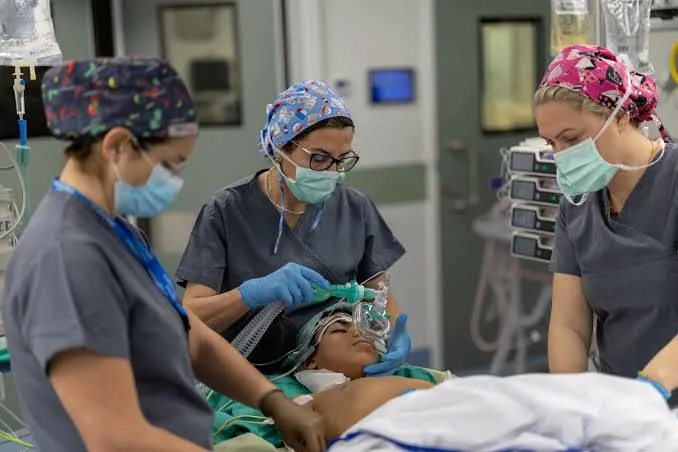
Pediatric liver transplant is performed in infants and children with liver failure caused by conditions such as biliary atresia, inherited metabolic disorders, or acute liver failure, where the liver can no longer support the child's growth and health. Because deceased-donor organs sized for small children are limited, living-donor transplantation is especially important in pediatric cases, with a parent or relative often donating a small segment of their liver that is surgically shaped and connected to match the child's smaller blood vessels and bile duct. The operation requires a pediatric transplant surgical team experienced in the technical precision small anatomy demands, along with pediatric intensive care support afterward to manage fluid balance, immunosuppression, and infection risk. Children generally spend one to two weeks in hospital following surgery, with close monitoring of liver function and gradual introduction of lifelong anti-rejection medication. India's pediatric transplant programs have experience treating young children from abroad, coordinating donor evaluation for accompanying family members alongside the child's own work-up. Families should plan for an extended stay of several weeks to cover donor and recipient evaluation, surgery, and the early recovery period during which the child is closely monitored for complications.
Back to Organ TransplantReady to get started with pediatric liver transplant?
Share your medical reports and receive a personalized treatment plan within 24 hours.